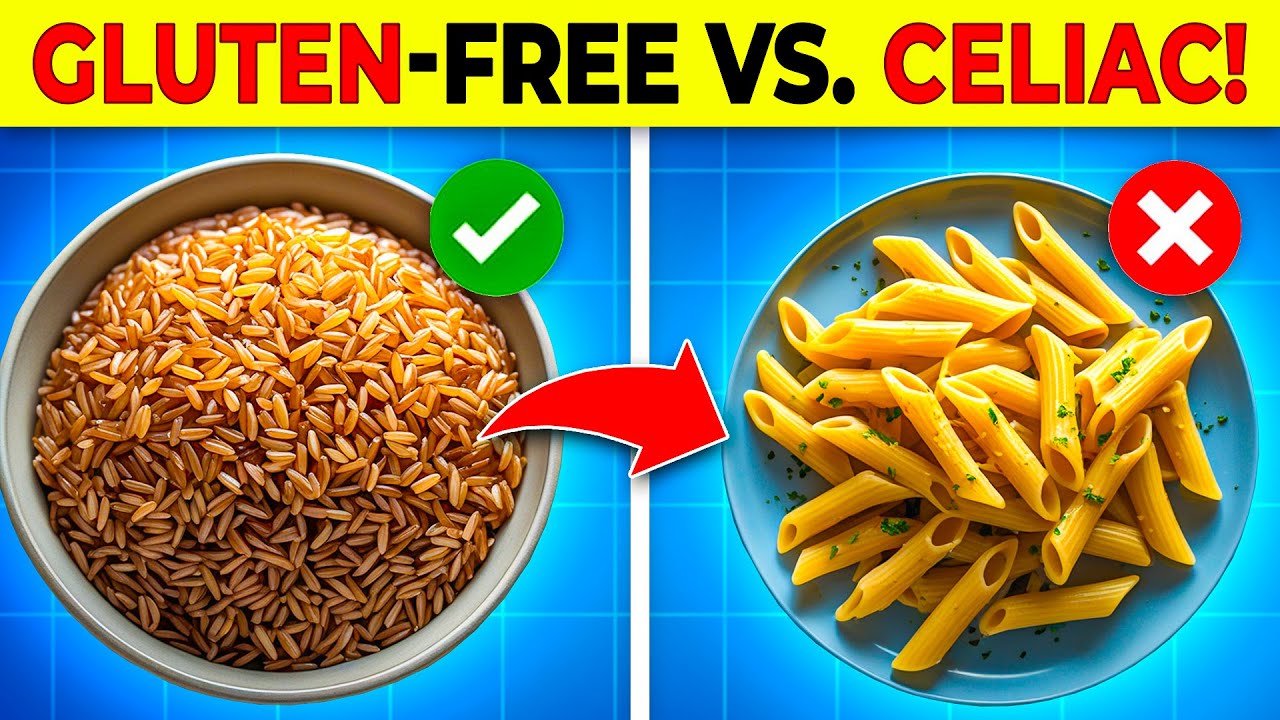
Celiac Disease Explained: Discover if a gluten-free diet is sufficient for managing symptoms and maintaining health. Learn more now!
Understanding Celiac Disease: Beyond a Gluten-Free Diet
Understanding the differences between gluten-related conditions is crucial for making informed dietary choices. While 30% of Americans attempt to avoid gluten, only 1% actually have celiac disease. This widespread confusion can lead to unnecessary dietary restrictions for many, while those suffering from serious conditions may remain undiagnosed. Celiac disease is an autoimmune disorder where even tiny amounts of gluten can cause significant damage to the intestinal lining. Recognizing the symptoms associated with celiac disease, non-celiac gluten sensitivity, and wheat allergy is essential for proper management and treatment.
Interestingly, gluten sensitivity can manifest through a variety of surprising symptoms that extend beyond digestive issues. Modern wheat may also pose different challenges compared to traditional varieties, contributing to the prevalence of gluten-related symptoms. For those suspecting a gluten-related condition, it is vital to undergo specific testing to avoid misdiagnosis. Additionally, individuals needing to avoid gluten can explore natural approaches to support their healing and well-being, including certain supplements and remedies that can aid in managing their condition.
Unraveling the Gluten Enigma: More Than Just a Diet Change!
Did you know that while 30% of Americans try to avoid gluten, only 1% actually have celiac disease? The confusion between these terms has led millions to unnecessarily restrict their diets, while others with serious gluten-reated conditions remain undiagnosed and suffering. Today, I’m clearing up the critical differences between celiac.
Disease and simply eating gluten-free. And what I discovered about the third condition that falls between them might completely change how you think about your symptoms, especially sign number four, which most doctors completely miss. The gluten-free market has exploded into a $15 billion industry with celebrities, influencers, and food.
Companies all promoting gluten-free living. But beneath the marketing lies a complex medical reality that’s often misunderstood. As someone who’s researched nutrition and natural health for over a decade, I’ve seen how this confusion has real consequences. From people needlessly restricting nutritious foods to others with serious conditions.
Not getting proper treatment. Today, we’re going to clarify exactly what celiac disease is, how it differs from other gluten related conditions, and why understanding these differences matters for your health. Whether you’re considering going gluten-free or already avoiding gluten, this information will help you make informed decisions based.
On science rather than trends. Let’s start by understanding what gluten actually is and why it affects some people so dramatically. Gluten isn’t a single ingredient. It’s a family of proteins found primarily in wheat, barley, and rye. The two main proteins in gluten are glutin and glyodin. With glyadin being responsible for most of.
The negative health effects in susceptible individuals. When flour mixes with water, these proteins form a sticky network that gives bread its chewy texture and helps it rise. This unique property is why gluten has been valued in food production for thousands of years. Gluten appears in obvious places like bread, pasta, and baked.
Goods, but it’s also hidden in many processed foods as a thickener, stabilizer, or flavor enhancer. It can be found in everything from soy sauce and salad dressings to medications and even some supplements. Now that we understand what gluten is, let’s examine the three main ways it can affect the body. Starting with the most serious.
Condition. Celiac disease is not a food preference or sensitivity. It’s a serious autoimmune disorder where the immune system attacks the small intestine when gluten is consumed. This attack damages the villi, small finger-like projections that line the small intestine and absorb nutrients. When these villi are damaged, the body.
Cannot properly absorb nutrients leading to malnutrition regardless of how much you eat. This is why untreated celiac disease can have such wide- ranging and serious effects throughout the body. Celiac disease affects approximately 1% of the population worldwide, though many remain undiagnosed. It has a genetic component. If you have a firstderee.
Relative with celiac disease, your risk increases to about 10%. The symptoms of celiac disease can vary dramatically from person to person. Classic digestive symptoms includes chronic diarrhea or constipation, abdominal pain and bloating, nausea and vomiting, weight loss despite normal eating, non-digestive symptoms, fatigue and.
Weakness, bone or joint pain, headaches and brain fog, skin rashes, particularly dermatitis, herpetapiformis, dental enamel defect, Reproductive issues, including infertility, neurological problems. What makes celiac disease particularly challenging to diagnose, is that some people experience primarily.
Non-digestive symptoms, while others may have no obvious symptoms at all, despite intestinal damage occurring. The only treatment for celiac disease is a strict lifelong gluten-free diet. Even tiny amounts of gluten, as little as a crumb, can trigger an immune response and intestinal damage in people with celiac disease. The second condition is.
Non-seliac gluten sensitivity, NCGS, sometimes called gluten intolerance. This is where much of the confusion begins. Unlike celiac disease, NCGS does not involve an autoimmune response or damage to the intestinal villi. However, people with this condition experience genuine symptoms when consuming gluten that improve when gluten is removed from.
Their diet. NCGS is estimated to affect about 6% of the population, six times more common than celiac disease. The symptoms often overlap with celiac disease, but typically develop hours to days after gluten consumption rather than immediately. Common NCGS symptoms also includes digestive issues, bloating, abdominal.
Pain, irregular bowel movements, fatigue and brain fog, headaches, joint and muscle pain, mood changes including anxiety and depression, skin problems like rashes or eczema. What makes NCGS particularly challenging is that there’s no definitive test for it. Recent research suggests that for some people with NCGs,.
The problem might not be gluten itself, but other components in wheat such as FODMAPs, fermentable carbohydrates, or amalayise trison inhibitors, ATIs. This explains why some people who react to wheat can tolerate other gluten containing grains like barley. Unlike celiac disease, which requires absolute gluten avoidance, many people with NCGS.
Can tolerate small amounts of gluten without significant symptoms. The threshold varies from person to person, making it a more individualized condition to manage. The third gluten-related condition is actually wheat allergy, an immune response to proteins in wheat, which may include, but is not limited to gluten. Unlike the.
Delayed symptoms of celiac disease or NCGS, wheat allergy typically causes immediate reactions like hives or skin rash, nasal congestion, digestive distress, difficulty breathing. In severe cases, anaphilaxis, a life-threatening reaction, wheat allergy is diagnosed through skin prick tests or blood tests that measure immune.
Response to wheat proteins. Treatment involves strict avoidance of wheat, but not necessarily all gluten containing grains. Some people with wheat allergies can safely consume barley or rye. Today’s commercial bread is made with rapid fermentation methods that don’t break down these proteins as effectively. Some studies suggest that.
Glyphosate, a herbicide commonly used on wheat, may damage gut bacteria and increase intestinal permeability, potentially making people more reactive to gluten. Modern bread often contains enzymes, preservatives, and other additives that weren’t present in traditional bread making. This may explain why some people who react to.
Commercial wheat products can tolerate organic sourdough bread or ancient wheat varieties. It’s not just about gluten. It’s about how wheat is grown, processed, and prepared. Now, let’s address the gluten-free diet itself. Who benefits from it, and what risks it might pose? People with celiac disease, absolutely necessary. those with.
Diagnosed non-seliac gluten sensitivity, individuals with wheat allergy, though they may tolerate other gluten containing grains. Some people with specific autoimmune conditions, particularly autoimmune thyroid disorders, potentially those with irritable bowel syndrome, though a low FODMAP diet may.
Be more appropriate. Nutritional deficiencies, particularly B vitamins, iron, and fiber. Higher intake of sugar and fat. Many gluten-free products are highly processed. Increased food costs. Gluten-free products typically cost two to three times more. Social isolation and reduced quality of life. Delayed diagnosis of underlying.
Conditions. For those who genuinely need to avoid gluten, a properly planned gluten-free diet can be nutritionally complete and healthpromoting. The key is focusing on naturally gluten-free whole foods rather than processed gluten-free products. If you suspect you might have a problem with gluten, proper testing is crucial. All tests for celiac disease.
Require you to consume gluten regularly. If you’ve already eliminated gluten, you’ll need to do a gluten challenge, eating the equivalent of two slices of bread daily for 6 to 8 weeks before testing. Celiac blood panel, including tissue transglutamines antibodies. If blood tests are positive or strongly suggestive, an intestinal.
Biopsy for wheat allergy, skin prick tests, or specific Ig blood tests for non-seliac gluten sensitivity, elimination diet under medical supervision. Working with health care providers who understand gluten-related disorders is essential. Unfortunately, many doctors still aren’t well-versed in these conditions, particularly NCGS.
Don’t hesitate to seek a second opinion if your concerns aren’t being addressed. Understanding the difference between celiac disease and simply eating gluten-free is crucial for making informed health decisions. Whether you have a diagnosed condition or are exploring dietary changes for wellness, knowledge is power. If you do need to.
Avoid gluten, focus on naturally gluten-free whole foods like fruits, vegetables, lean proteins, nuts, seeds, and gluten-free grains like rice, quinoa, and certified gluten-free oats. For those with gluten-related conditions, certain natural approaches may complement a gluten-free diet. Probiotics to support gut healing.
Anti-inflammatory herbs like turmeric and ginger digestive enzymes to support nutrient absorption llutamine for intestinal repair. Remember, the goal isn’t to follow trends, but to find what truly works for your unique body. Listen to your symptoms, seek proper testing, and make informed decisions based on your individual health needs. For my.
Complete guide to thriving on a gluten-free diet naturally, including meal plans, supplement recommendations, and healing protocols, check out the link in the bio. If you find this information helpful, please like this video and subscribe for more evidence-based natural health content. Let me know in the comments if you have.
Questions about gluten related conditions or your own experiences with gluten sensitivity.