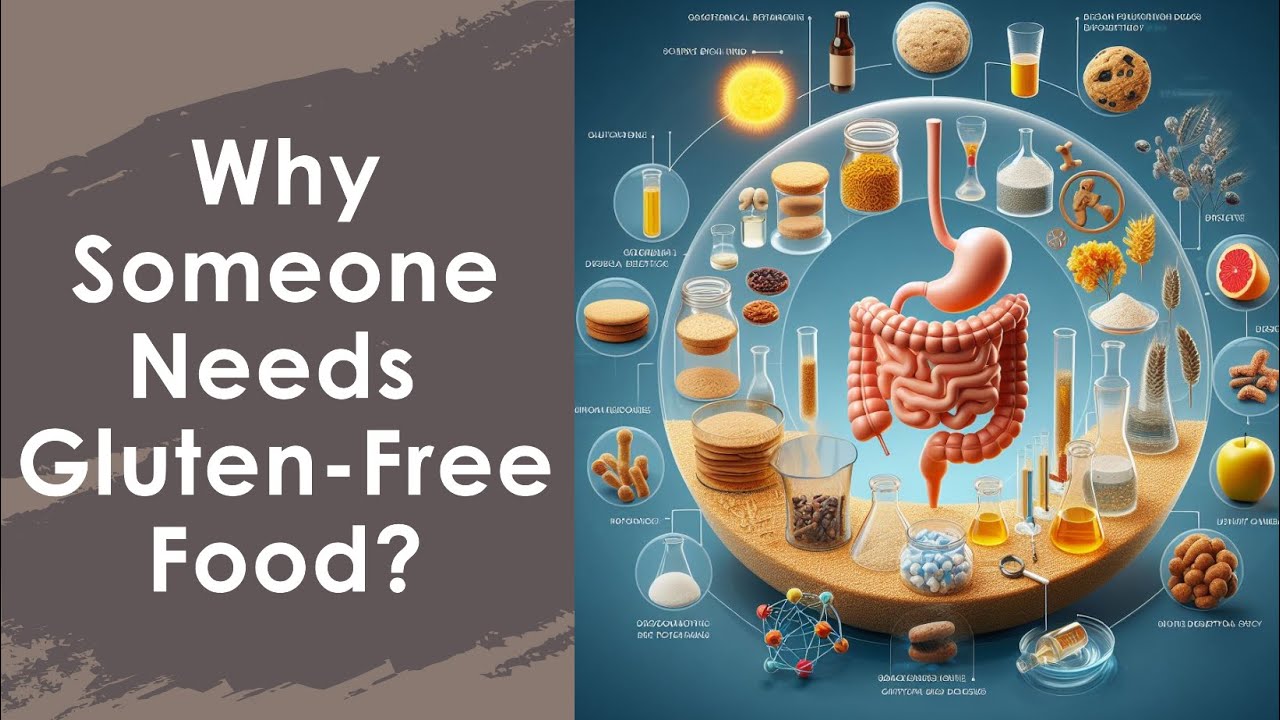
Discover the reasons why someone might need to follow a gluten-free diet and how it can benefit their health and well-being.
Understanding the Importance of Gluten Free Options
People may need to eat gluten-free food for various biological, biochemical, and medical reasons, primarily related to gluten sensitivity, celiac disease, wheat allergy, or non-celiac gluten sensitivity. Here are the reasons why someone might require a gluten-free diet:
Celiac disease is an autoimmune disorder triggered by the ingestion of gluten, a protein found in wheat, barley, and rye. Consuming gluten leads to an immune response that damages the lining of the small intestine, causing inflammation, malabsorption of nutrients, and gastrointestinal symptoms. Non-celiac gluten sensitivity and wheat allergy are other conditions that may necessitate a gluten-free diet to manage symptoms and promote overall health and well-being.
The Essential Guide to Living a Gluten-Free Lifestyle: Why Someone Needs Gluten-Free Food
Have you ever wondered why some people choose to eat gluten-free food you see a gluten-free diet is not merely a fad but a necessity for many due to diverse biological biochemical and medical reasons gluten is a protein found in wheat barley and rye and for some it incites health problems these could vary from celiac disease and autoimmune.
Disorder that injures the small intestine to wheat allergy an immun mediated response to proteins in wheat then there’s non- Celiac gluten sensitivity a condition with symptoms akin to celiac disease but without the autoimmune response biologically not all individuals benefit from a gluten-free diet but some report improvements in.
Symptoms examples are bloating gas fatigue or skin issues the reasons for these betterments May differ and could involve factors beyond gluten sensitivity such as fod Maps food intolerances or changes in gut microbiota medically for individuals with no diagnosed gluten related ailment it’s crucial to seek advice from.
Healthcare professionals before deciding on a gluten-free diet this precaution ensures nutritional adequacy and helps rule out other underlying conditions Beyond these reasons Others May opt for a gluten-free diet due to various health conditions or personal preferences each of these reasons has its own intricate science behind it involving everything.
From immune responses to the way our bodies process nutrients intriguing isn’t it so let’s plunge into the reasons in more depth firstly one of the main reasons someone might need to eat gluten-free food is due to celiac disease celiac disease is an autoimmune disorder where the ingestion of gluten a protein found in wheat barley and Rye.
Triggers an immune response that damages the small intestine on a biochemical level gluten prompts the creation of antibodies such as anti-tissue trans glutamines antibodies that attack intestinal cells this leads to inflammation villis atrophy malabsorption of nutrients and various gastrointestinal symptoms from a medical.
Perspective the only treatment for celiac disease is a strict gluten-free diet by avoiding gluten individuals can prevent further intestinal damage relieve symptoms like diarrhea constipation abdominal pain and bloating and promote healing of the intestine this in turn reduces the risk of complications like weight loss nutrient.
Deficiencies fatigue osteoporosis infertility neurological issues anemia and skin rashes so for individuals with celiac disease a gluten-free diet is not just a preference but a necessity another reason is non- celiac gluten sensitivity or ncgs this is a condition where symptoms similar to celiac disease like gastrointestinal discomfort or.
Fatigue occur without the autoimmune response or intestinal damage seen in Celiac disease from a biological perspective ncgs is still a bit of a mystery the exact mechanisms aren’t fully understood but it’s believed that elements of gluten immune system activation changes in gut microbiota and increased intestinal permeability or.
What’s often referred to as leaky gut may all play a role biochemically it’s thought that gluten components such as fod Maps could be contributing to the symptoms medically speaking individuals with ncgs often find Relief by adopting a gluten-free diet this is despite the fact that ongoing research is needed to better understand this condition and its.
Management so while the mechanisms of ncgs are not fully understood a gluten-free diet can provide significant relief for those affected then there are people with a weed allergy in this case their immune system reacts to proteins found in wheat including gluten proteins like gadin and glutenin this reaction is different from celiac disease because it.
Involves IG mediated allergic reactions rather than autoimmune mechanisms when exposed to wheat proteins their bodies release chemicals such as histamine which can cause allergic symptoms these can range from hive swelling and itching to respiratory symptoms like asthma and even digestive issues the medical solution for individuals with a wheat.
Allergy is to avoid wheat and wheat derived products which inevitably includes those containing gluten by adhering to a gluten-free diet they can avoid these allergic reactions and better manage their symptoms this makes it essential for them to be vigilant about their food choices and to ensure that what they consume does not contain.
Any hidden sources of wheat or gluten for those with a wheat allergy avoiding gluten can help to manage and prevent allergic reactions finally there are other conditions and preferences that might lead someone to choose a gluten-free diet for instance people with with irritable bowel syndrome and often uncomfortable disorder affecting.
The large intestine may find relief with a gluten-free diet due to its potential to reduce inflammation and irritation some folks with autoimmune diseases like rheumatoid arthritis have reported improved symptoms after cutting out gluten moreover some people may choose a gluten-free diet for personal preferences this could be due to.
Perceived health benefits or even ethical considerations such as a commitment to Animal Welfare or environment Al sustainability lastly let’s not forget about those who simply feel better physically and mentally when they avoid gluten while the science is still out on the exact reasons anecdotal evidence.
Suggests that for some a gluten-free diet might just be the ticket to feeling their best so there you have it there are many reasons why someone might need to eat gluten-free food and it’s not just a dietary Trend before we wrap up this informative Journey on gluten-free diets we would like to remind you to subscribe to our Channel medicine Health.
360 here we aim to provide you with the latest and most crucial medical and health knowledge in a simple digestible format your health matters to us and we believe in empowering you with the knowledge to make informed decisions about your lifestyle if you found this video helpful please give it a thumbs up and share it with your friends family or.
Anyone who might benefit from this information we also encourage you to engage with us do you have any experiences with a gluten-free diet maybe you have some tips to share or perhaps you have questions that we haven’t addressed yet please leave your thoughts in the comment section below we love hearing from our viewers and your.
Feedback helps us create content that serves you better remember we’re all in this journey to Better Health together so let’s keep the conversation going thank you for choosing medicine Health 360 as your trusted health and wellness resource stay tuned for more insightful videos and until then take care and be well.